I asked Jason Chapman (UK Chief Commercial Officer at Moneyfarm and CEO of Willis Owen) and Din Mustaffa (CFO, Evelyn Partners) a deliberately uncomfortable question at the Global WealthTech Summit.
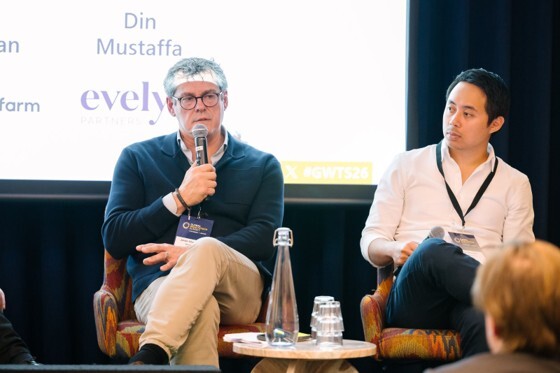
Can you redesign onboarding and middle-office work without adding people, and which parts still need a human?
Jason didn't hesitate.
"I don't believe currently that we're in a place where we can take the human out of the process. Customers still need that interaction at some point."
He pointed to what happened when robo-advisers arrived in the UK in 2012.
"Look at who's left. A lot fell by the wayside, due to the cost of customer acquisition. Moneyfarm diversified. But one of their standard points was they always had a human touchpoint, either customer service or qualified advisers who can talk more meaningfully to customers about their situation."
He then described three types of customer.
- People who go through the whole process digitally and never touch us. Fine, until a life event makes them want someone to talk to.
- People bringing business from somewhere else, who measure us against where they came from. "The complexity in our industry of moving assets is still in the dark ages."
- People who know exactly what they're doing but get stuck. It could be a three-minute call, a ten-minute call, or a booked appointment with a consultant.
On AI:
"AI internally has become part of our DNA, but we're very cautious about pushing it out to customers. And even when we do, we'll still have that human touchpoint. Taking the human element away would diminish our value, which is to help customers make better decisions about their financial future."
Din agreed.
"You can't really take people out of the process. At the end of the day, this is pretty much a people business."
He added the cost point. Integration means spending on people before you see the benefit, so it belongs in the deal model. And he described how Evelyn began its work with AI, three or four years ago:
"We looked at the entire client lifecycle on a single page, and what our processes were to support each stage. Then we identified our priorities based on where it would improve the client experience, and secondly improve our operational efficiency."
My observation: both answers follow the same order. Map the whole lifecycle, decide where the human stays, then choose the technology. Firms that start from the tool tend to automate the wrong step.